Warden Wonder! Meet Our Year-round Wardens
Meet Ruth, a full-time, year-round Thames Basin Heaths Partnership warden. Ruth explores her time in the project, and what she gets up to in her role as a warden.
How did you get into the role as Thames Basin Heaths Warden?
I first heard about the job during practical habitat management volunteer days, as I was previously working as a Membership Recruiter for a wildlife conservation organisation back in 2016. Since then, I’ve worked as both a Seasonal and Permanent Warden, becoming part of the permanent team in 2022. I’ve always loved wildlife, often fascinated by snails and caterpillars busy munching away at my dad’s cabbage patch as a child. I never really thought about working in an environment-based job whilst growing up, and it seemed quite distant from me living in a suburban village. I worked in retail for several years but felt my heart wasn’t in it. I had a positive encounter with a membership recruiter outside my local garden centre, and it was via their membership magazines that I found out about volunteering opportunities, and my journey into wildlife conservation began. Over several years, I worked hard to get a degree in Life Sciences with the Open University, and then went on to attend Merrist Wood College, earning a Diploma in Countryside Management, Wildlife & Ecology. Before the end of my course, I was working for the Thames Basin Heaths Partnership.
What can a typical day of wardening look like for you?
The days can be really quite varied! During ground-nesting bird season (March-September), we are out on the Thames Basin Heath Special Protection Areas (heathlands) as much as possible, chatting with visitors to the area about the birds that nest there. We ask people who are unaware of how vulnerable heathland species are to please keep to the paths to help the success rate of breeding, as these birds are, like the lowland heathland where they live, very rare. We also love to just have a general chat about the wildlife and it’s nice to bump into some of the same people on different days. Event planning is another warden task, which we offer with the aim of teaching visitors about the fantastic heathland wildlife, hope they find joy in it and make a personal connection with it. The hope is that they will want to look after the wildlife as a result, as people tend to look after the things they care about.
What makes heathland special to you?
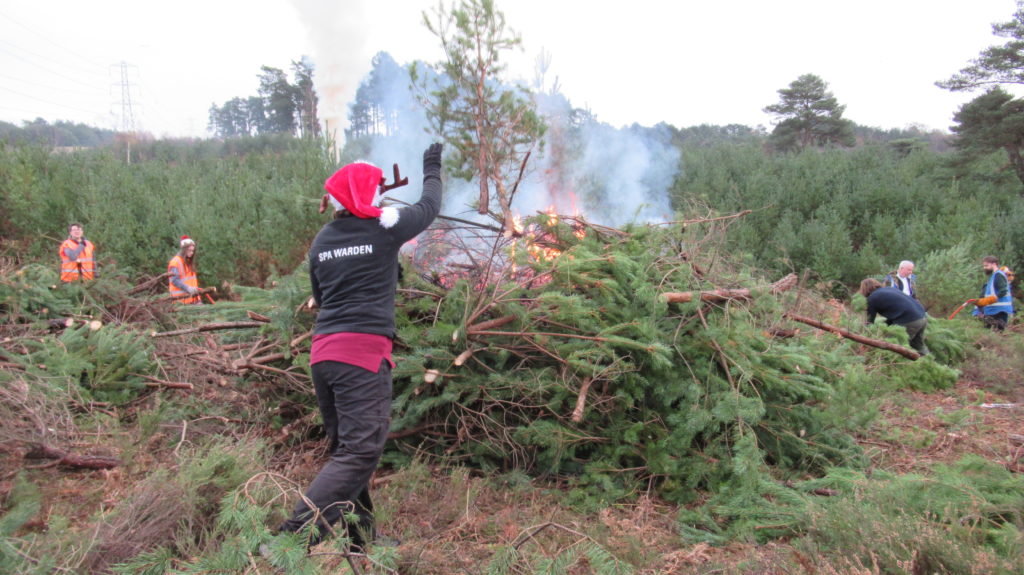
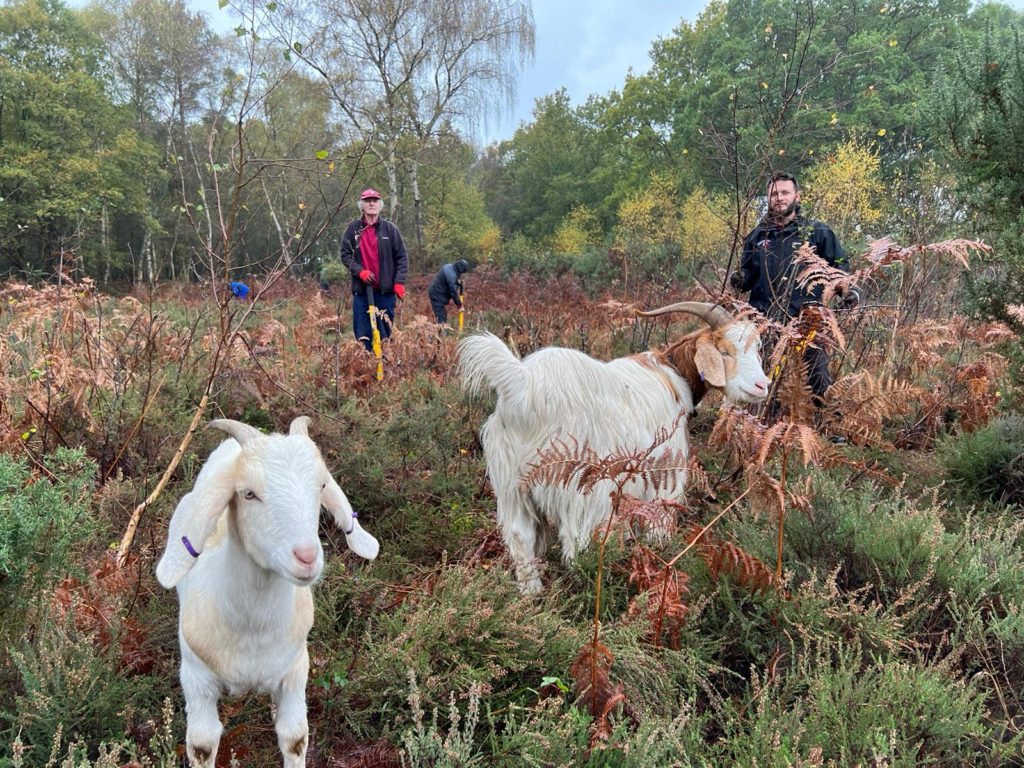
Having grown up locally to some of the Thames Basin Heaths areas, I have spent many times over the years on heathland. Before I know what heathland was or how rare of a habitat it is, I would visit with my family as a child. During the years I volunteered doing practical habitat management on heathland, I made lots of wonderful memories meeting people with a passion for nature and for helping our wildlife. It was great to get out and do something that has a direct positive impact on our wildlife, as well as helping me to learn lots about lowland heathland habitats.
Do you have any favourite heathland areas?
I have some favourite areas of the Thames Basin Heaths Special Protection Area as a whole, but rather than share mine, it would be lovely if people find their own favourites for their own special reasons. Heathland is a beautiful place full of mysterious things to learn about, and it is a story you will not know until you read it.
What advice would you give someone hoping to start in a conservation-based or similar role?
Working as a volunteer for a wildlife conservation organisation can help you to learn more about the different habitat types and give you hands-on experience of working in the sector. You’ll meet lots of people who also care about nature and you’ll be helping our wildlife at the same time.